Why is motor oil so important?
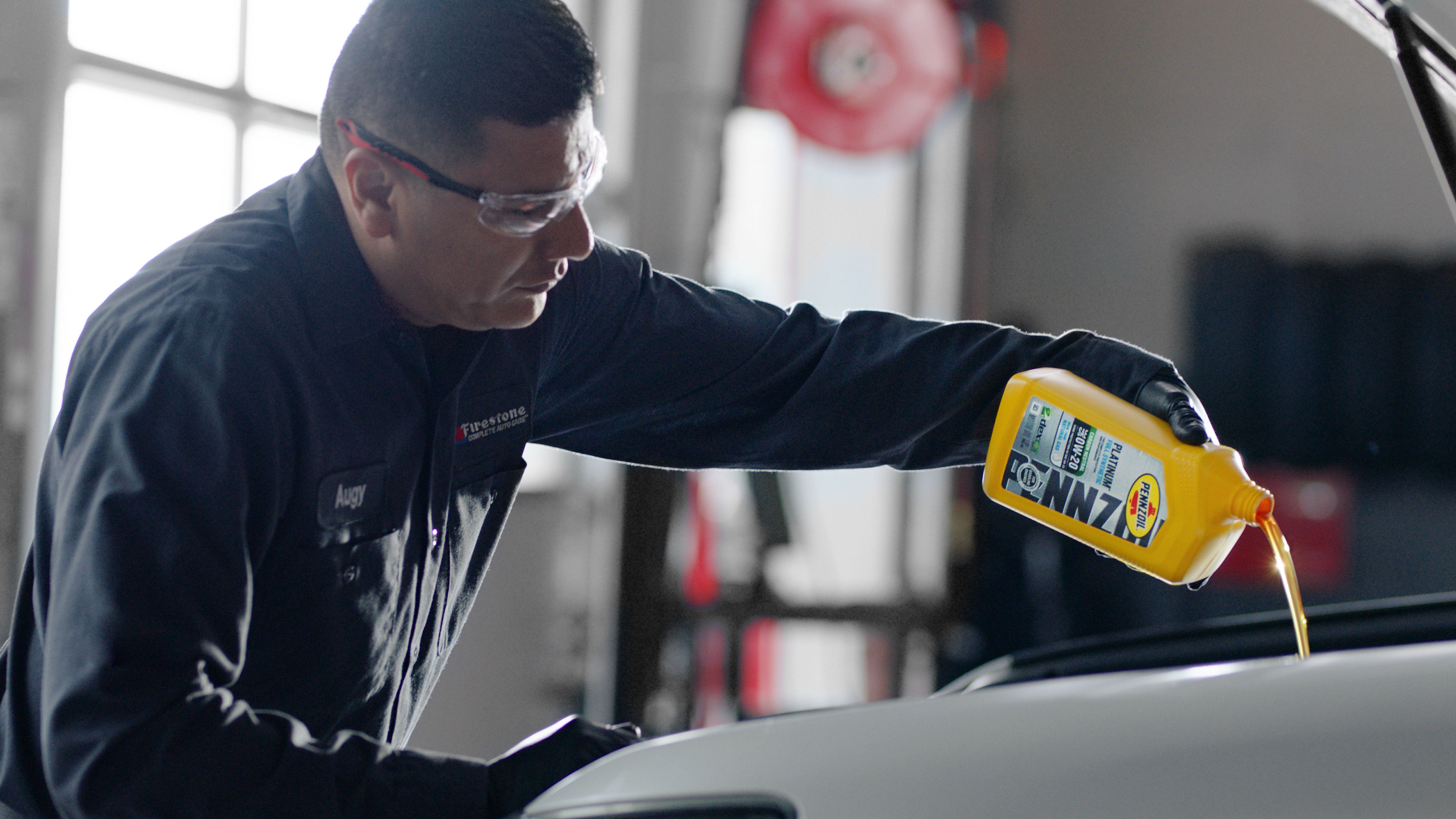
Motor oil helps keep your engine components clean and lubricated, which is essential for keeping everything in good, working condition. It prevents harmful substances, like dirt, from accumulating and clogging up your engine. (Dirt build-up can lead to premature engine damage.) What’s more, it also absorbs much of the heat the engine naturally produces and keeps the whole thing from overheating.
How often should I have my oil changed?
Standard advice states that you should have your oil changed about every 3,000 miles, but you may not need to have it changed this often. In general, it’s best to change your oil and filter at or before the interval suggested by your vehicle manufacturer. If you drive in mild conditions, you may be able to go longer without an oil change, but if you drive in severe, dusty conditions, you may want to consider getting your oil changed more often. Talk to one of our technicians about your driving style, conditions, and climate to get a better idea for how often your car needs an oil change service.
How does oil protect my engine?
Oil helps protect your engine in four important ways:
- Oil cleans the engine: Motor oils are designed to keep dirt, debris, and deposits from accumulating on your engine components and prevent blockages. The oil “locks up” the dirt and renders it harmless until it is removed at your next oil change service.
- Oil reduces friction and minimizes wear: Motor oils form a protective film over your engine components and have special additives that prevent contact and reduce drag between the engine’s many moving parts. This helps your engine operate quietly and efficiently.
- Oil removes heat: Motor oils carry heat away from important areas, like from around the piston rings, and redistribute it around the engine.
- Oil prevents corrosion and rust: Motor oils help protect your hard-working engine components from corrosion beyond the normal oil change interval.
What is engine oil made of?
Engine oil has three important ingredients: base oils, viscosity modifiers, and performance additives. Each is carefully selected and skillfully blended so that the oil provides maximum engine protection.
How do I recycle or dispose of oil?
Used oil can pollute the environment and should never be poured down the drain or into the trash. In many states, improper disposal of motor oil is a crime. Instead, bring your used motor oil (or any other hazardous vehicle fluid) to an official oil disposal or recycling location. Or, simply bring it by your nearest Firestone Complete Auto Care and we'll take care of it for you! Learn more about motor oil recycling.
Why does it matter which type of oil I choose?
While simple, motor oil is one of the most essential components of your car. Without oil to lubricate and cool things down, your engine would run for a few seconds and then seize. Yikes! If the wrong kind is used or there’s not enough of it, the engine is at significant risk of increased wear and corrosion.
How do I pick the right motor oil?
Your owner’s manual should provide you with a minimum oil specification, however, you may wish to upgrade to a better motor oil. Not all engine oils are created equally! Choosing the correct oil for your vehicle will depend on three factors:
- The type of car: A high performance car, like a sports car, needs higher performance oil. Likewise, a light truck that does a lot of hauling will need a different type of oil than a sports car.
- The age of the car: As a car ages, the gaps between engine parts grow larger, which in turn causes less oil to reach critical parts of the engine. Because of this, many technicians recommend switching to a higher-viscosity oil as the car ages.
- The driving environment: How and where you drive will have an impact on the ideal oil for your vehicle. Do have to deal with heavy start-and-stop traffic or take a lot of short trips? Your car may require a higher quality oil to prevent increased wear and tear on the engine. Likewise, cold winter temperatures and summer heat affect the rate at which oil flows, which means you may need to use a different oil in the winter than in the summer.
Picking the right oil for your car can feel pretty daunting. There are just so many options! Talk to your local Firestone Complete Auto Care technician about the best oil for your car, driving style, and climate.
Does it really matter if I don’t have my oil changed frequently?
Yes, it matters. Oil is incredibly important to keeping your car running safely and smoothly, and at Firestone Complete Auto Care we take oil changes pretty seriously. Not changing your oil on a regular basis can significantly reduce your engine’s performance and lead to reduced fuel efficiency. Engine oil acts as a reservoir for all kinds of by-products that form when fuel burns, including soot, sludge, water, and acidic material, as well as unburned and partially burned fuel. At the same time, oil becomes less effective over time. Refreshing the oil on a regular basis helps keep your engine in great condition.
Why not just keep topping off the engine oil?
It’s a good habit to check your oil on a regular basis and, if needed, top it off between your regularly scheduled oil changes, but don't do this in place of an oil change. If you simply keep topping off your oil, you'll put more stress on the older oil that remains in the engine. This translates into more stress on your engine and pistons.
Can I get an oil change on Sunday?
At Firestone Complete Auto Care, you can! We have more than 1,700 locations nationwide and are open seven days a week for your convenience. If you want an oil change on Sunday, simply find the Firestone Complete Auto Care location nearest you and head on over! Our technicians look forward to serving you.
How much do oil changes cost?
The cost of your oil change will depend on the oil service package you choose and the type of oil that's used. All oil change services include a 19-point courtesy inspection of your vehicle and a free top-off of all essential fluids.